In the complex world of modern construction, the foundation of every durable, efficient, and architecturally ambitious project lies in its structural design. At Shah.fi, we specialize in providing cutting-edge Steel Structure Design services, transforming raw concepts into robust, reliable, and performance-driven realities.
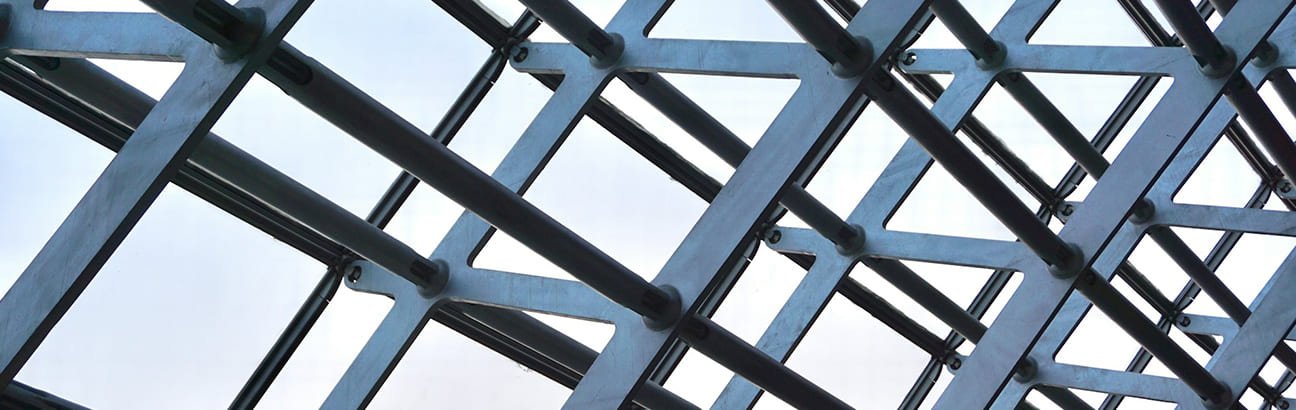
Modeling whole-structure force distribution and complex joint behavior using state-of-the-art simulation software.
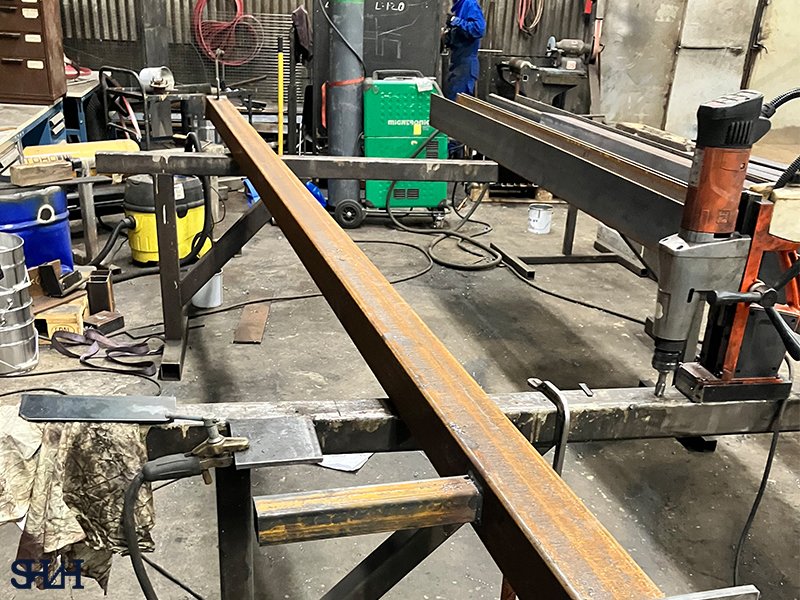
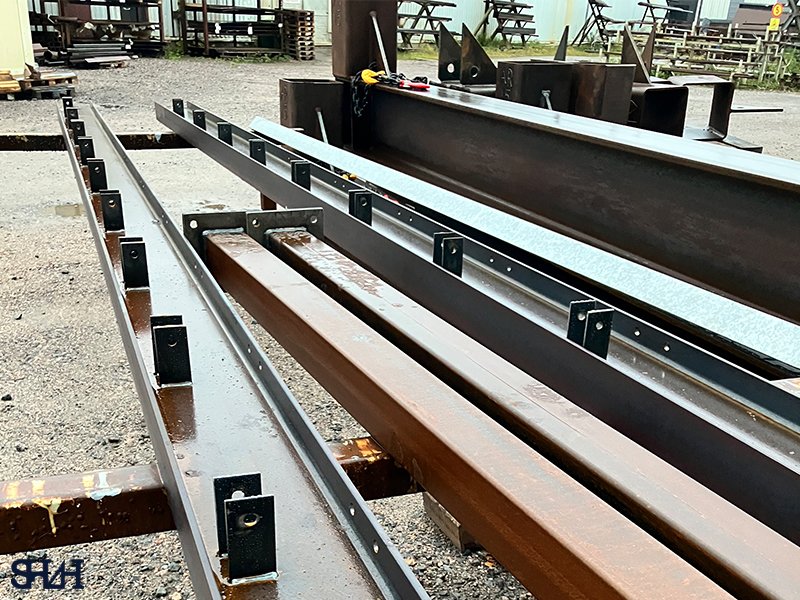
Designing high-capacity rigid, shear, and semi-rigid connections using optimal bolting or welding techniques.
Integrating advanced intumescent paints and board encasements to maintain structural capacity during fire events.
Prescribing hot-dip galvanizing, specialized paint systems, or weathering steel to maximize structural longevity.
Conducting precise dynamic analysis to control structural responses from moving loads or environmental excitations.
Engineering highly efficient composite floors and hybrid structures that integrate steel seamlessly with concrete.
Our clients rely on us for accurate engineering, practical solutions and dependable project delivery.

“The project went very smoothly! The structural design information we had was very limited, yet Ahmad was able to expertly design the steel structures based on that. The measurements were precise, and it was a big plus that he improved the structural connections to better suit the needs of the construction site.”
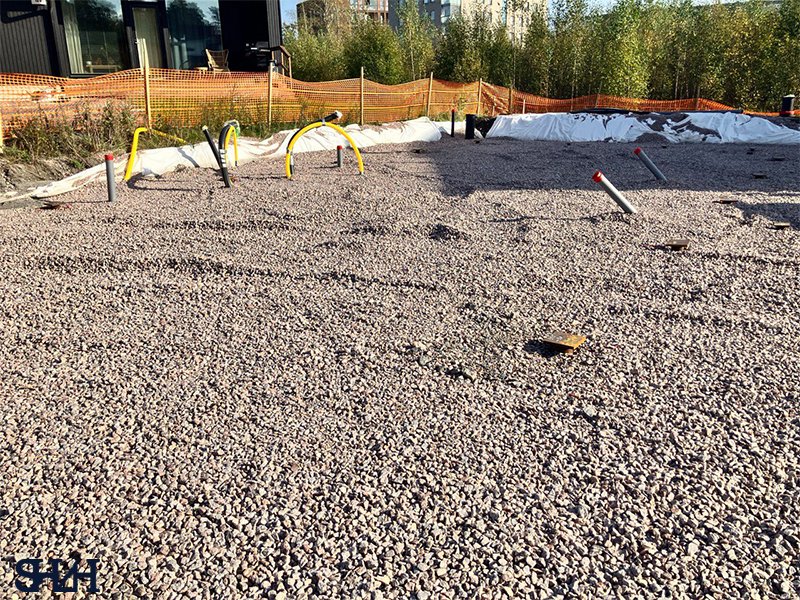
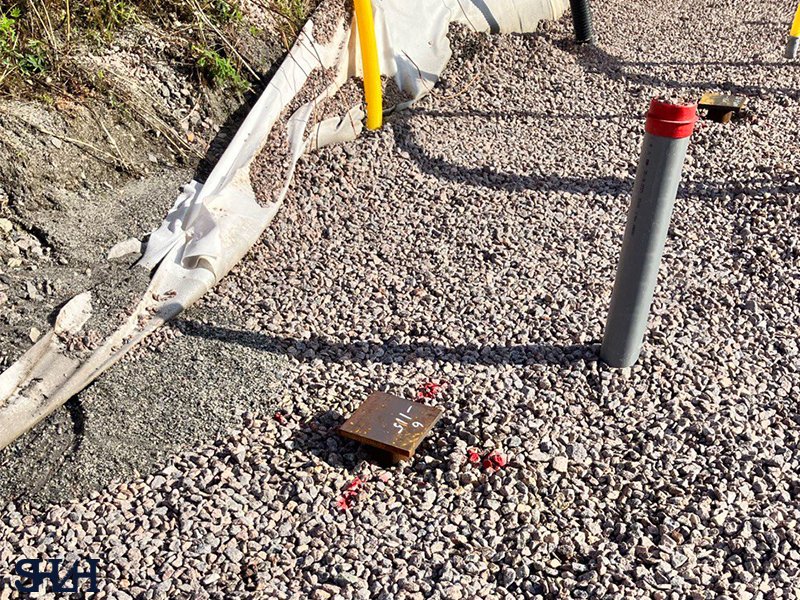
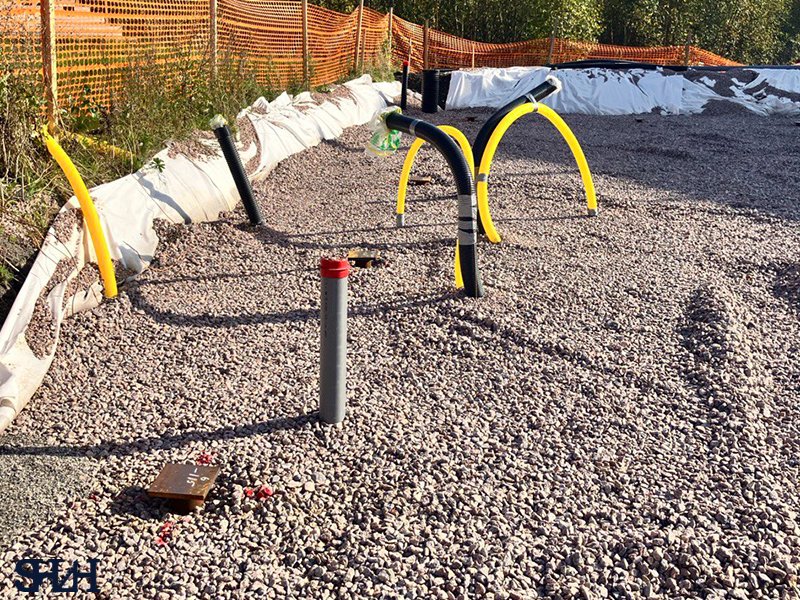
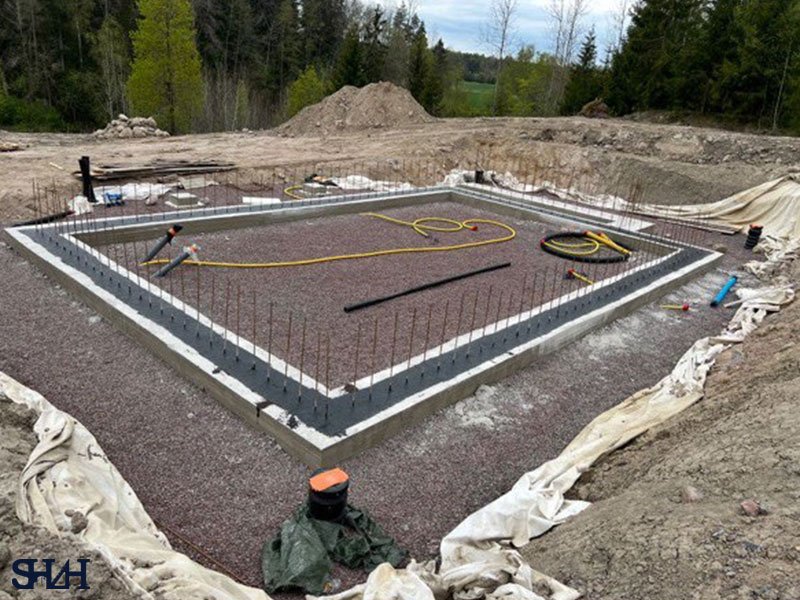
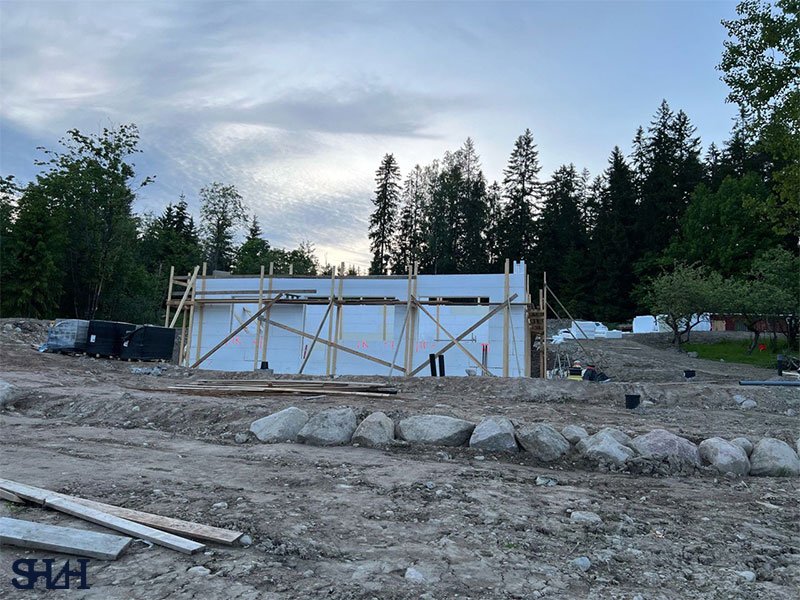
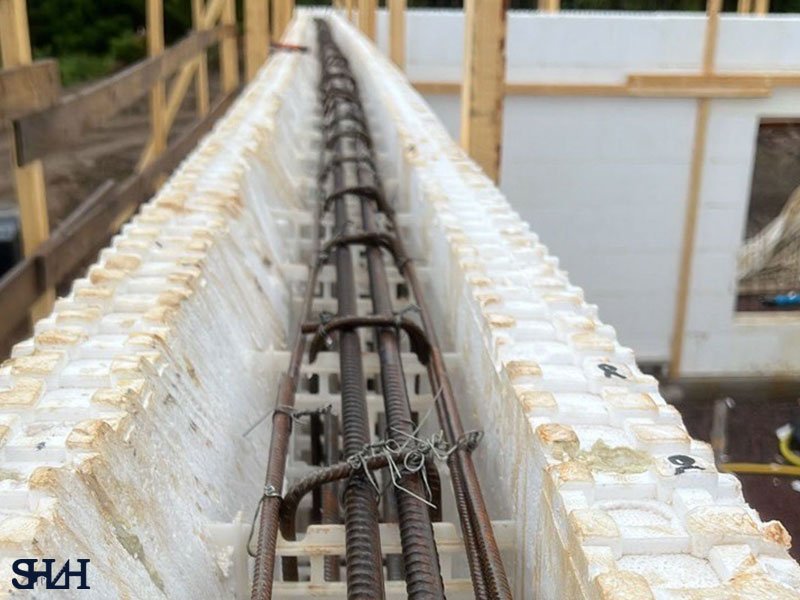
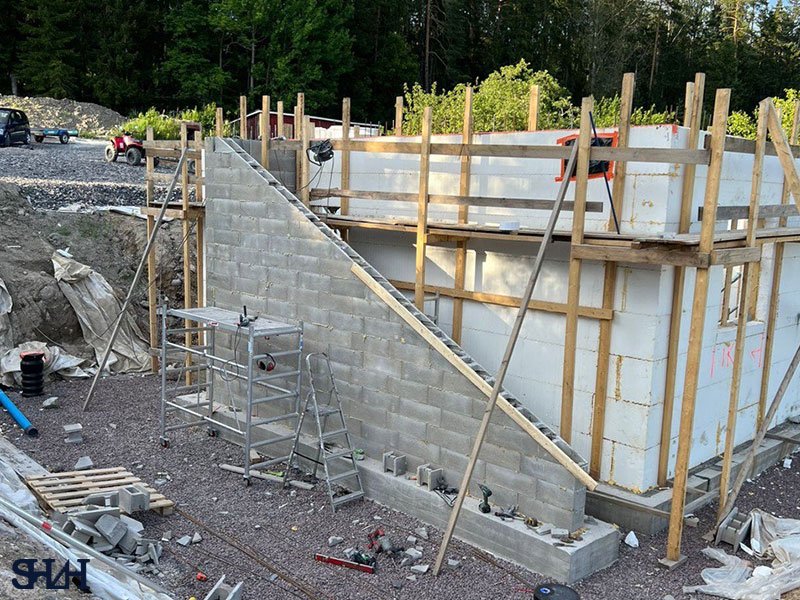
“Our project involved acting as the structural engineer for the house and carrying out the foundation design. Ahmad worked professionally, and whenever something was needed, he always took care of it quickly. He was easy to reach by both phone and email. Working with him was easy and pleasant. I can definitely recommend him!”
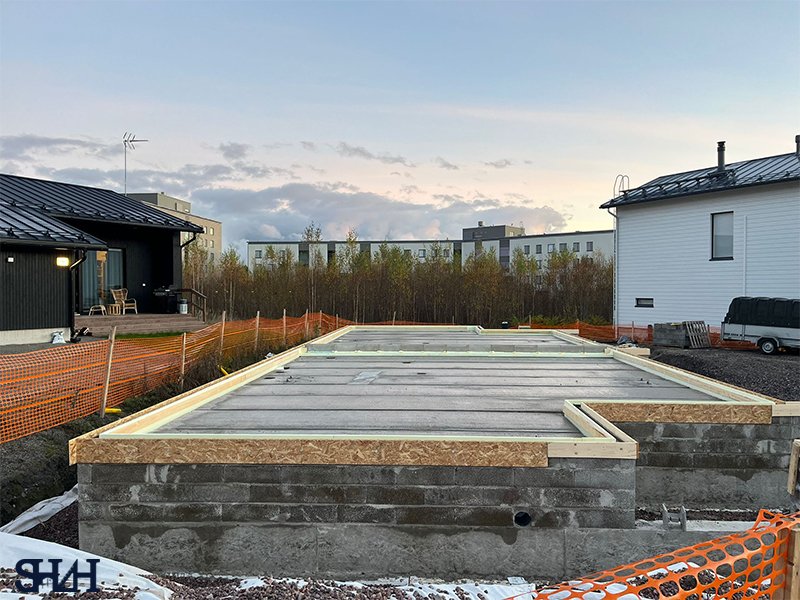
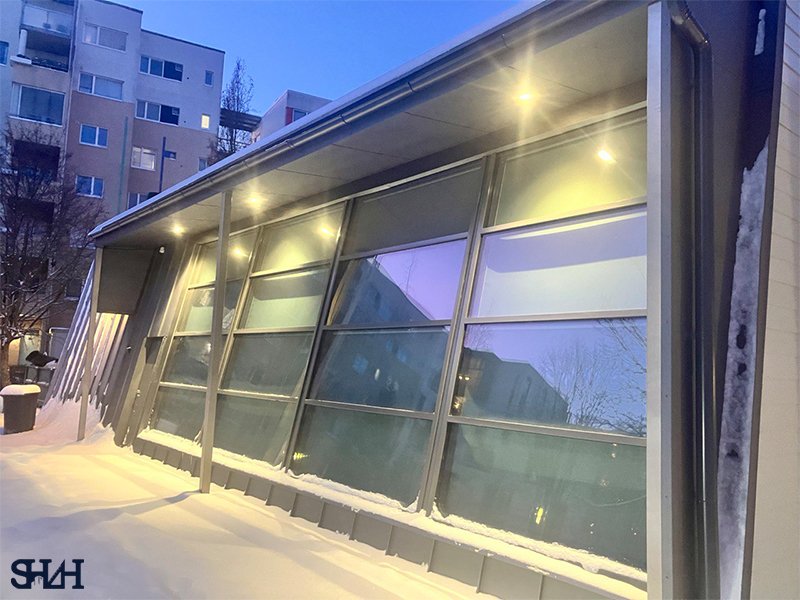
“The canopy design was completed well on schedule, and the designer was readily available also during the tendering phase.”
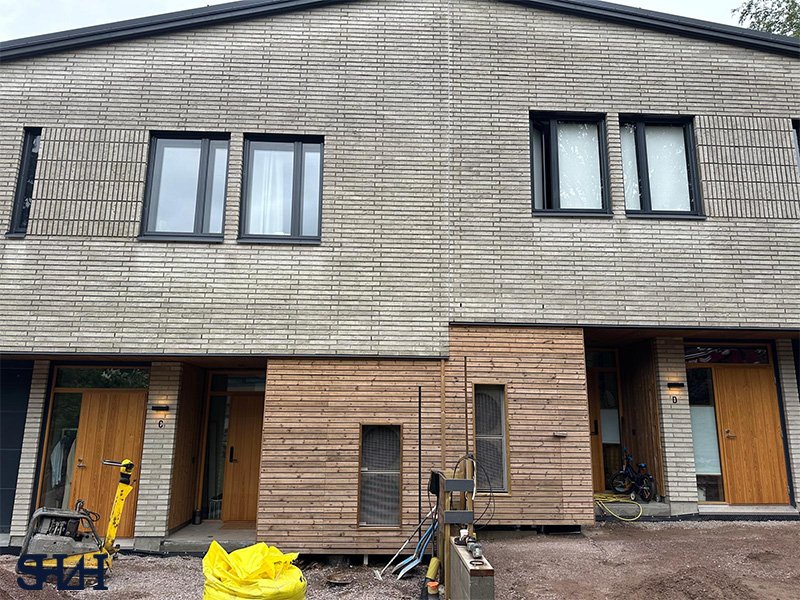
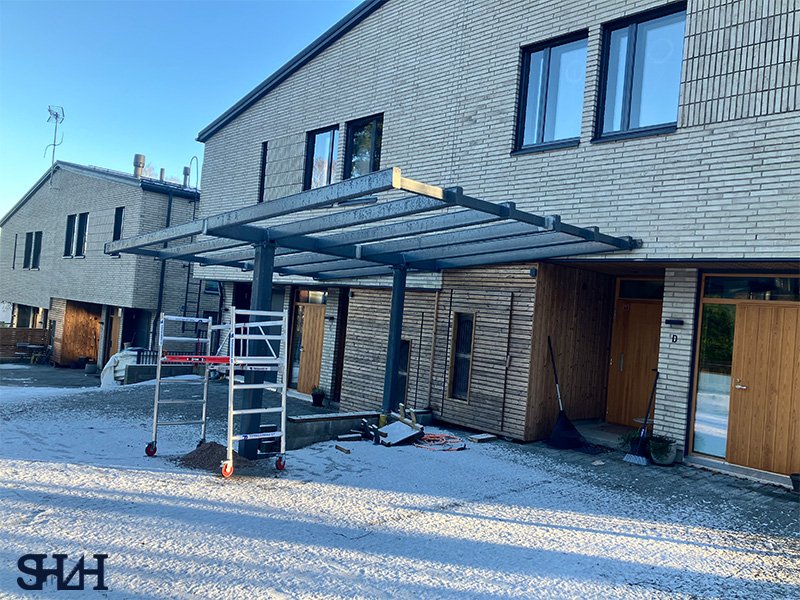
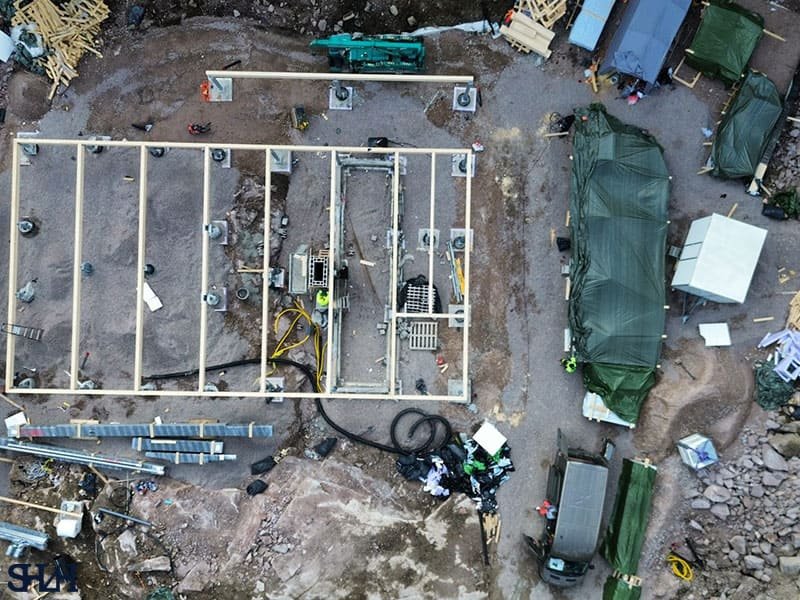
“Renovation project of a solid-frame shoreline pier. Design of drilled piles for difficult soil conditions. The work progressed swiftly in terms of planning, taking into account both the client’s and the contractor’s perspectives.”
“Excellent and customer-oriented service. The designer was easily reachable throughout the project, and advice or clarifications were provided almost immediately whenever something was unclear.”
“Shah designed and developed a technical calculation program for us. The service was professional, and the work was completed within the agreed schedule.”
“Excellent service and genuine interest in the customer’s project. In our case, a lot of cost optimization was done, and the impact of different solution options on the overall project was always clearly explained, making decision-making easier. All questions were always answered.”
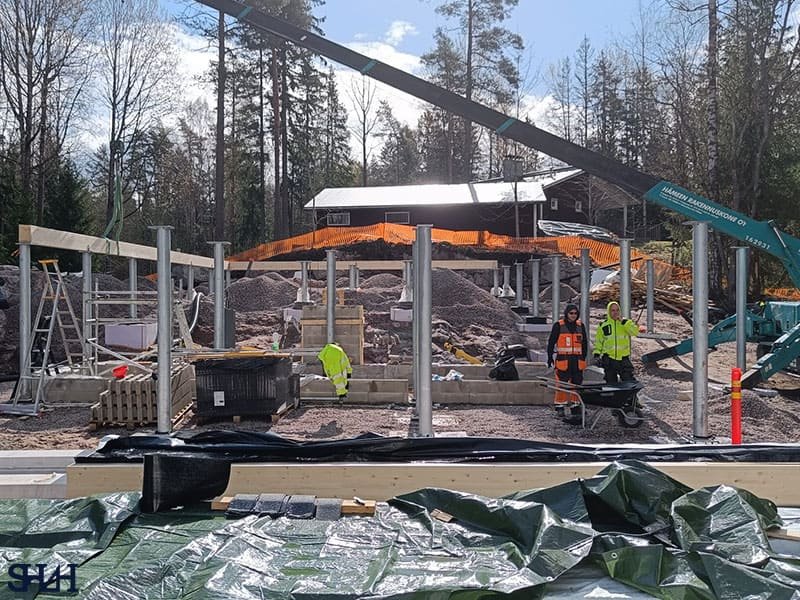
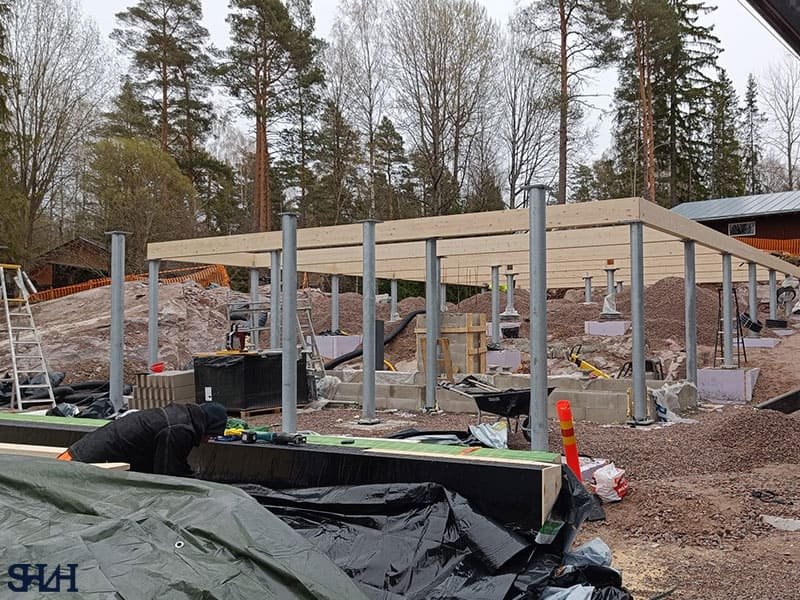
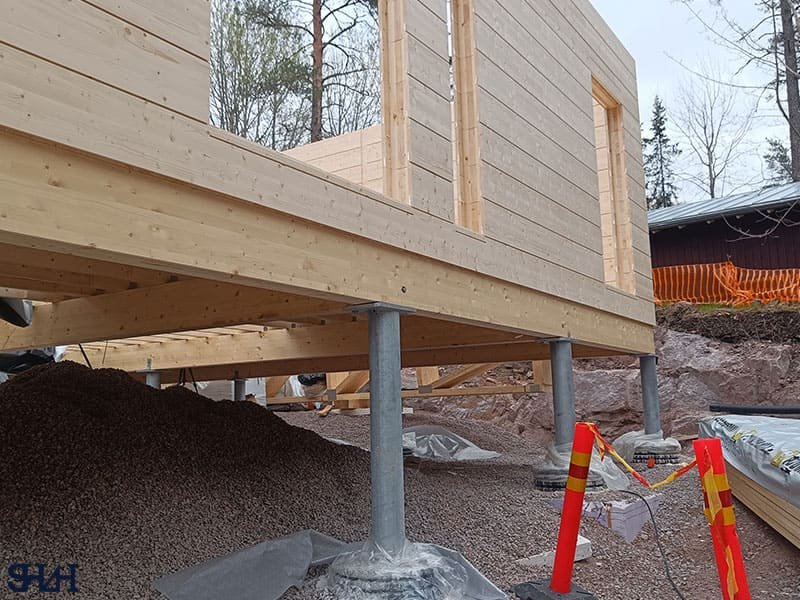
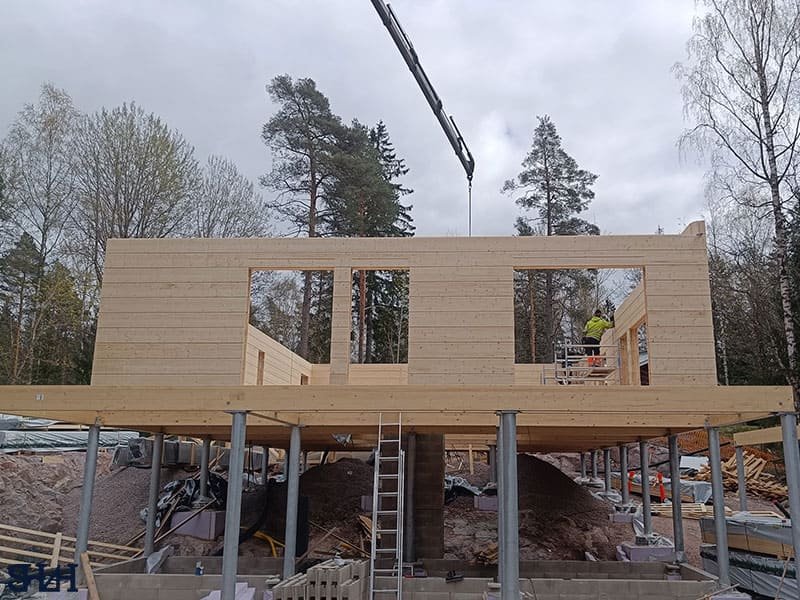
“A highly accessible and responsible designer.”
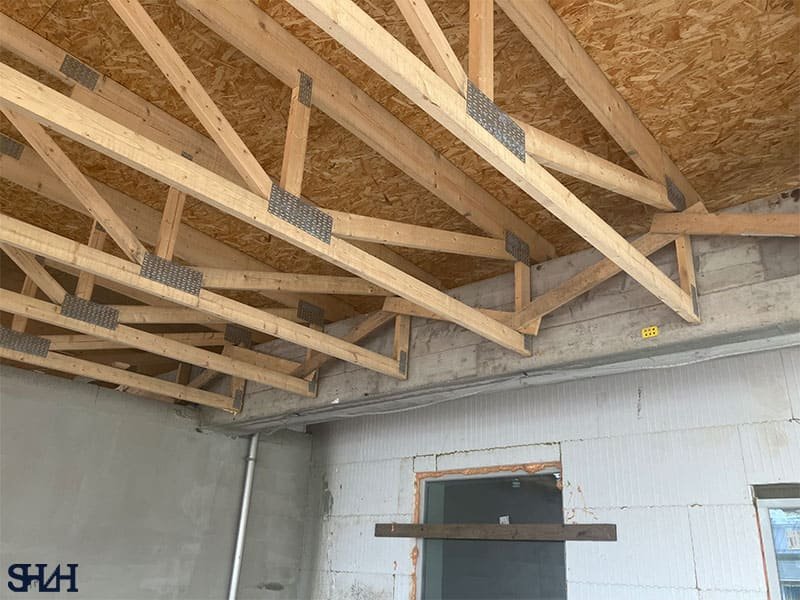
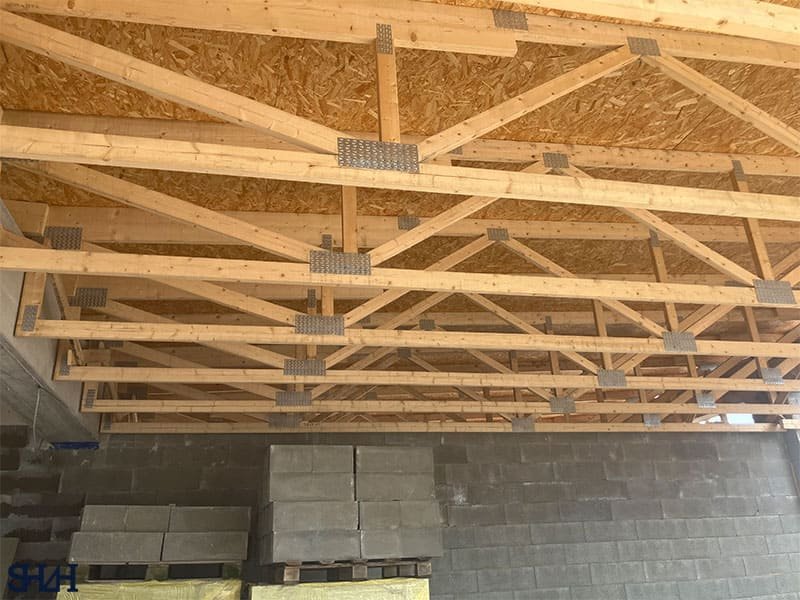
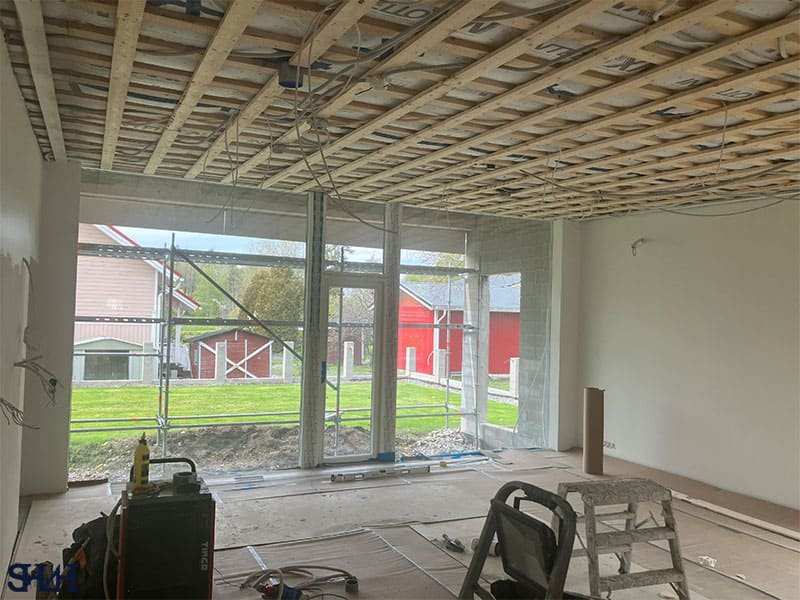
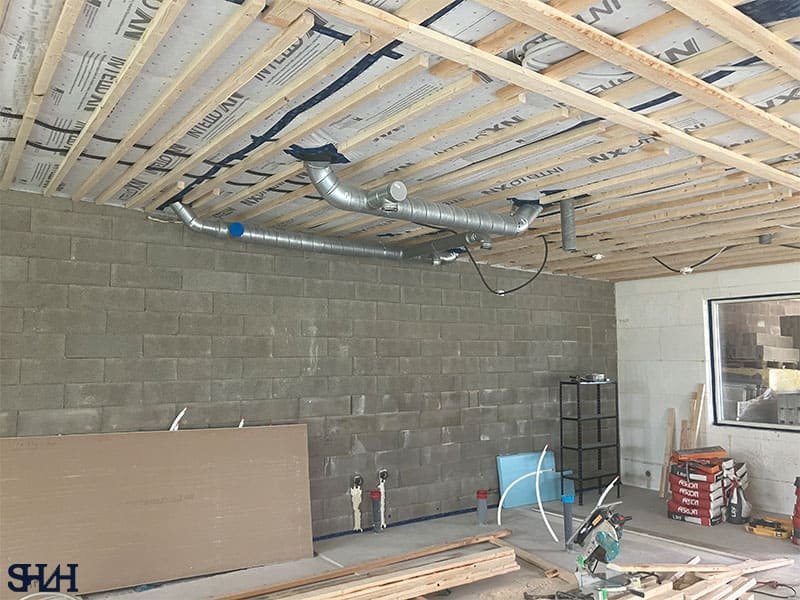
“The service was very fast and solution-oriented, even with more demanding structural challenges. Quick accessibility via phone, email, or face-to-face meetings was excellent.”
In the complex world of modern construction, the foundation of every durable, efficient, and architecturally ambitious project lies in its structural design. At Shah.fi, we specialize in providing cutting-edge Steel Structure Design services, transforming raw concepts into robust, reliable, and performance-driven realities.
Steel, as the backbone of countless industrial, commercial, and residential projects globally, demands an engineering approach that marries precision with innovation. Our team of expert structural engineers delivers designs that not only comply with the strictest international codes but also optimize material usage, accelerate construction timelines, and ensure long-term structural integrity.
This page serves as your definitive guide to understanding the multifaceted world of structural steel design and how Shah.fi sets the industry standard.
Steel’s superior properties have made it the material of choice for landmark projects worldwide. The decision to employ steel framing is a strategic one, offering a multitude of benefits over traditional materials like concrete or timber. Understanding these advantages is the first step toward appreciating the value of expert Steel Structure Design.
Steel possesses an exceptional strength-to-weight ratio. This means steel members can be significantly lighter than their concrete or timber counterparts while maintaining the same or superior load-bearing capacity. This characteristic has profound implications for a project:
The fabrication of steel components is a highly controlled, off-site process. This prefabrication offers a massive advantage in project scheduling:
The inherent ductility and malleability of steel allow it to be shaped into complex and aesthetically pleasing forms that are often impossible with other materials.
When properly designed and protected (through galvanization or special coatings), steel structures offer remarkable longevity:
Steel is one of the most recycled materials globally, with high levels of recycled content and recyclability at the end of a building’s life. This makes steel-framed buildings an environmentally conscious choice, aligning with global sustainable construction goals.
Our approach to Steel Structure Design is systematic, rigorous, and completely client-focused. We utilize advanced Finite Element Analysis (FEA) and Building Information Modeling (BIM) to ensure every design is optimized for performance, cost, and constructability. The process is a collaborative journey that adheres strictly to the fundamental principles of Structural Design.
This initial phase defines the project scope and sets the engineering parameters.
We begin by thoroughly understanding the client’s vision, operational requirements (e.g., span needs for Stell Hall Design, loading for industrial floors, aesthetic goals), budget, and timeline.
The existing site conditions, including soil properties and environmental factors, are crucial. This data informs the necessary Foundation Design and dictates loads from wind, snow, or seismic activity.
Based on the architectural drawings and site data, our engineers develop an initial structural concept. This involves selecting the most efficient framing system (e.g., moment-resisting frames, braced frames, trusses) and establishing preliminary member sizes.
This is the core of the Steel Structure Design service, where advanced engineering is applied.
All potential loads acting on the structure are meticulously calculated. This includes:
We employ state-of-the-art software for structural analysis. Finite Element Analysis (FEA) is used to accurately model the structure’s behavior under various load combinations, calculating internal forces, moments, and displacements.
Each structural member (beams, columns, bracing) is checked against the governing design codes for:
The final phase translates the engineering model into constructible documents.
This is a high-precision task. Our detailers produce comprehensive drawings necessary for the steel fabricator and the erection crew. These include:
A multi-stage quality check is performed to ensure all design specifications, material properties, and detailing tolerances are correct, preventing costly errors during the construction phase.
While steel offers exceptional advantages, its effective use requires specialized knowledge to address potential challenges. Shah.fi engineers are experts in mitigating these complexities.
The connections between steel members are arguably the most challenging and crucial element. A structural system is only as strong as its weakest link.
While steel is non-combustible, it loses a significant amount of its strength at high temperatures, potentially leading to structural failure in a fire.
Steel is susceptible to corrosion, especially in aggressive or coastal environments.
For structures like footbridges, high-rise office floors, or industrial platforms, serviceability checks for vibration must be performed to ensure user comfort and avoid damage to sensitive equipment.
A safe and compliant structure requires adherence to stringent national and international codes. Our expertise spans various regulatory frameworks, ensuring your project meets the highest safety benchmarks, which is the cornerstone of responsible Structural Design.
Our dedication to compliance means our clients never have to worry about regulatory roadblocks or unforeseen structural liabilities.
Effective project execution often requires seamless integration of different structural materials. Our Steel Structure Design expertise works in harmony with our other specialized services:
Our portfolio demonstrates the versatility and depth of our experience across multiple sectors:
Choosing Shah.fi for your Steel Structure Design project means partnering with a team committed to excellence, innovation, and client value.
The success of your structure begins with a flawless design. Our Steel Structure Design service is your assurance of a strong, safe, sustainable, and economical build. Trust Shah.fi to provide the engineering excellence that defines the world’s most impressive and enduring structures.
The difference between an ordinary building and an iconic one is rarely the budget or the materials—it's the vision behind it.
Bring us your ideas, sketches, challenges, or even unfinished thoughts. We'll help shape them into spaces that are intelligent, functional, and unforgettable.
Your next landmark begins here.Talk to Our Experts — Free Initial Consultation.
Our Location
Tiistilänkuja 5 ,Espoo, Finland


 Call
Call Contact
 E-mail

